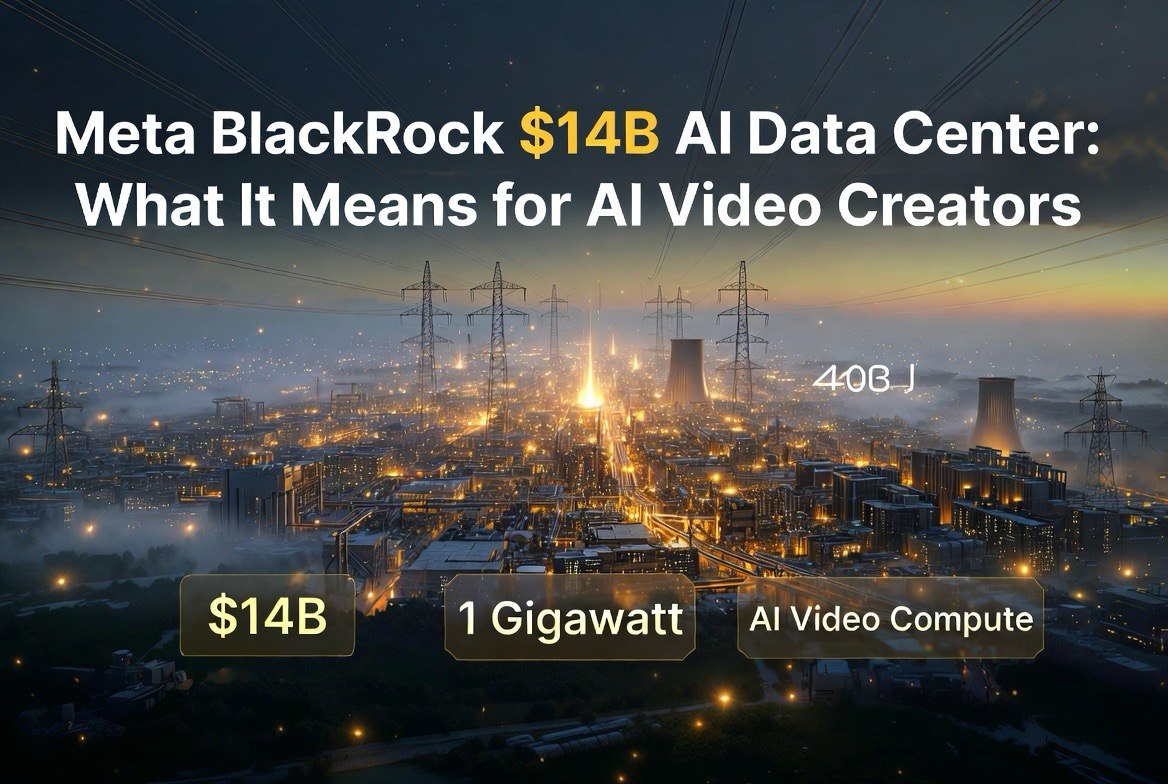
Meta BlackRock $14B AI Data Center: What It Means for AI Video Creators
Get The Faceless YouTube Blueprint — Free
The exact AI tool stack and workflow used to build a faceless YouTube channel from zero.
Meta × BlackRock $14B AI Data Center: What It Means for AI Video Creators
⚡ Expert Summary: Meta and BlackRock announced a $14 billion joint venture on July 28, 2026 to build a 1-gigawatt hyperscale AI data center campus in El Paso, Texas. BlackRock-managed funds hold 80% ownership while Meta retains operational control with sole occupancy rights. This is one of the largest AI infrastructure deals in history — and it directly affects how video AI models will be trained, deployed, and accessed by creators in the coming years.
On July 28, 2026, Meta Platforms and BlackRock announced a $14 billion joint venture to develop and operate a 1-gigawatt hyperscale data center campus on a 1,000-acre site in El Paso, Texas. BlackRock-managed funds hold an 80% interest in the project, while Meta retains 20% ownership and operational control with sole initial occupancy rights. Meta is contributing land and construction-in-progress valued at approximately $2.3 billion, while BlackRock provides the majority of the cash funding.
For AI video creators, this deal is more significant than a typical infrastructure announcement. It signals that Wall Street now treats AI compute capacity as a distinct asset class worth billions of dollars in dedicated investment — and it confirms that the compute required to train and run the next generation of video AI models will be available at a scale that was previously unimaginable.
Why This Deal Matters for AI Video
The 1-gigawatt capacity of this facility is staggering to put in context. A typical large data center operates at 50-100 megawatts. A 1-GW facility can power approximately 750,000 US homes or, more relevantly, train multiple frontier-level AI models simultaneously. For comparison, training a single large language model requires 10-50 megawatts of continuous compute over weeks or months. Video models require significantly more — processing visual data at scale demands GPU clusters that strain even the largest existing data centers.
Meta has been one of the most aggressive investors in AI video technology. Its Movie Gen model, first demonstrated in 2024, generates high-definition video clips from text prompts. Subsequent iterations have improved resolution, duration, and consistency. The company’s LLaMA series of language models has been open-source, and many video AI tools built by independent creators depend on Meta’s underlying AI infrastructure, models, and the open-weight ecosystem Meta has cultivated.
The El Paso data center will expand the compute capacity available for training and deploying these models. For video creators using AI tools, this means three things: faster model iteration cycles, lower inference costs over time, and greater availability of open-weight video models that can run on consumer hardware.
The Wall Street Signal
BlackRock’s involvement in this deal is the story that matters most for the long term. The world’s largest asset manager, with over $10 trillion in assets under management, does not invest $11 billion in a single infrastructure project without confidence that the asset class will generate reliable returns for decades.
This signals that AI compute is no longer a tech company expense — it is an infrastructure asset with predictable returns, supported by institutional capital. The consequence for AI video creators is a virtuous cycle: as more capital flows into AI data centers, compute costs decrease, which makes AI video tools more affordable, which expands the creator market, which justifies further infrastructure investment.
The same dynamic played out with cloud computing in the 2010s. AWS, Azure, and Google Cloud built massive data center footprints on the assumption that demand would grow. They were right. AI compute is following the same trajectory, but the investment scale is an order of magnitude larger and arriving earlier in the adoption curve.
What Creators Should Expect
The El Paso facility will not be operational for 18-24 months. Data centers of this scale require years of construction, power infrastructure development, and cooling system installation. However, the announcement itself sends signals that affect the AI video market immediately:
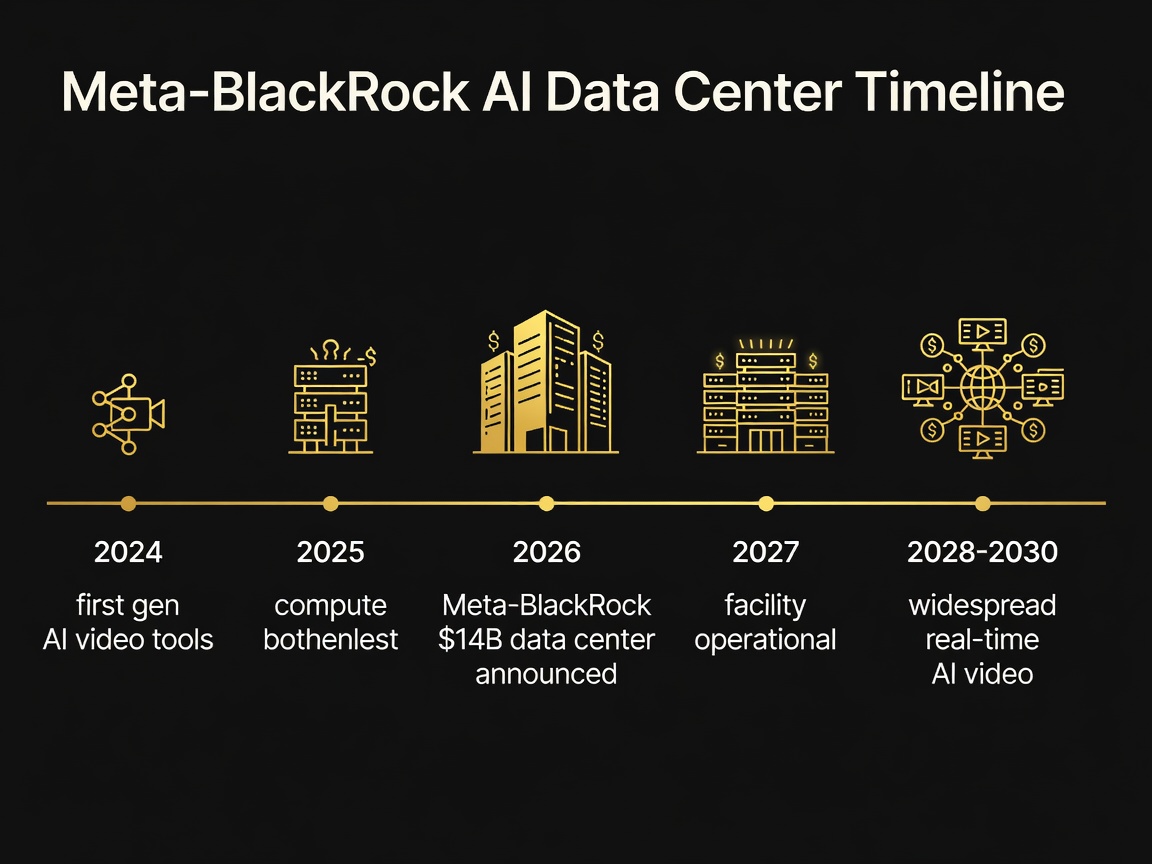
The Meta-BlackRock data center is the largest single AI infrastructure investment ever announced. When operational, its 1-GW capacity will multiply the compute available for AI video model training and inference.
| Phase | Timeline | Impact on AI Video Creators |
|---|---|---|
| Announcement | July 2026 | Confirms long-term compute investment. Competitors accelerate their own infrastructure plans. AI video tool pricing stabilizes. |
| Construction | 2026-2028 | Meta continues training next-gen video models with existing capacity. Creators see incremental improvements in existing tools. |
| Phase 1 Operational | 2028 | Dramatic expansion of training capacity enables higher-resolution, longer-duration AI video generation. Inference costs begin to decline meaningfully. |
| Full Capacity | 2029-2030 | 1-GW operational. AI video tools at current cost levels deliver 10x the quality. Real-time AI video generation becomes viable. |
How This Compares to Other AI Infrastructure Deals
The Meta-BlackRock deal is not happening in isolation. AI infrastructure investment has accelerated dramatically throughout 2026 as tech companies and financial institutions race to secure compute capacity for the next wave of AI development.
Microsoft announced plans to invest approximately $80 billion in AI data centers globally for fiscal 2026, with significant allocations in the United States. Google committed to $75 billion in capital expenditures, the majority directed at AI infrastructure. Amazon’s AWS is spending over $100 billion cumulatively on AI and cloud infrastructure through 2027. Alphabet’s AI capex reached $75 billion in Q4 2025 alone, prompting analyst questions about whether the spending is sustainable.
The Meta-BlackRock deal is notable because it separates ownership from operation. BlackRock provides the capital; Meta provides the operational expertise and guarantees the occupancy. This model allows tech companies to access institutional capital without diluting their balance sheets, and it allows investors to participate in AI infrastructure returns without building their own technology stack. Expect more deals structured this way as AI compute demand continues to outstrip available capacity.
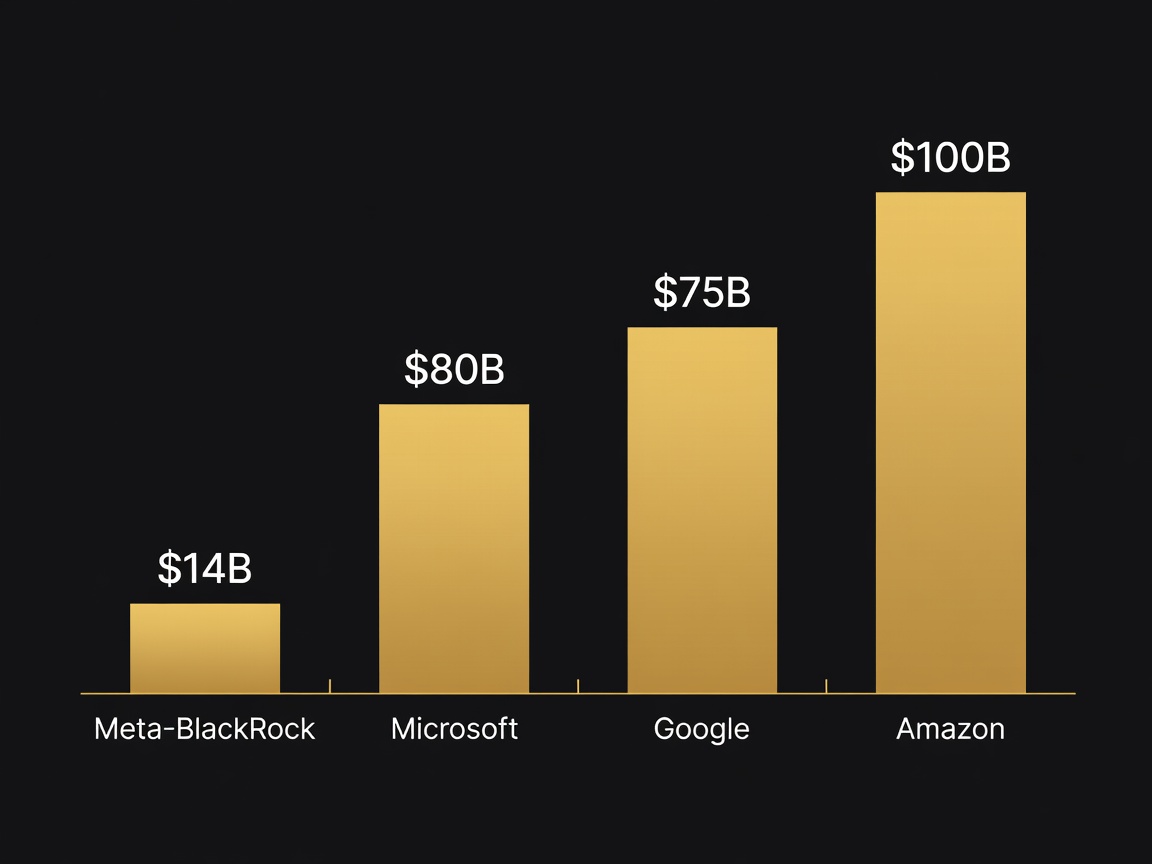
While Meta-BlackRock’s $14 billion deal is the largest single data center partnership, it represents a portion of the over $250 billion committed by major tech companies to AI infrastructure in 2026 alone.
What Video Creators Should Do
The Meta-BlackRock data center announcement does not change what creators should be doing today. AI video tools continue to improve — the compute capacity that drives those improvements is expanding, but the improvements arrive incrementally rather than all at once when a data center goes live.
Keep creating. The most important advantage in AI video is experience. Every project teaches you something about prompting, workflow, and integration that cannot be learned from reading about model improvements. The creators who are producing today will have a significant skill advantage when the compute capacity of 2028-2030 makes AI video tools dramatically more capable.
Pay attention to Meta’s open model releases. Meta has been the most consistent advocate for open-weight AI models among major tech companies. If the Movie Gen series follows the LLaMA trajectory, future iterations trained on El Paso compute will be available for self-hosting, fine-tuning, and custom integration — options that closed models from OpenAI and Google do not offer.
Invest in your workflow now. The cost of AI video generation will decrease as compute capacity expands. The creators who have established efficient workflows, organized asset libraries, and repeatable production processes will see their effective costs drop fastest because they can immediately apply cheaper compute to existing pipelines rather than learning from scratch when prices drop.
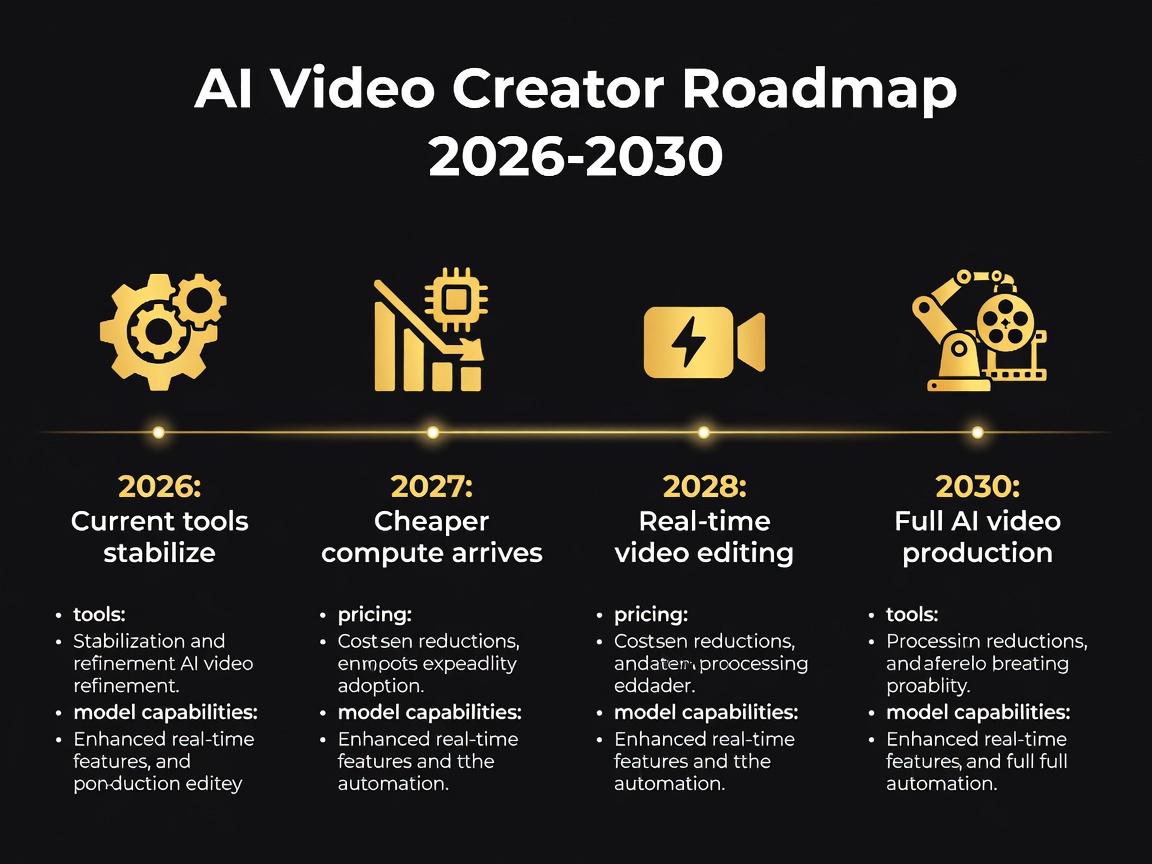
Each phase of AI infrastructure expansion unlocks new capabilities for video creators. The creators who have established workflows today will capture the full value of cheaper compute when the El Paso facility comes online.
The Bottom Line
The Meta-BlackRock $14 billion data center deal is the largest single AI infrastructure investment ever announced. Its 1-GW capacity in El Paso, Texas confirms that Wall Street now treats AI compute as a core asset class, and it ensures that the compute needed to train and run next-generation AI video models will be available at previously impossible scale.
For creators using AI video tools, the deal is excellent news. It means the infrastructure behind tools like Runway, Pika, and Meta’s own video generation models will continue to expand. It means training budgets for new models will not be constrained by compute availability. It means inference costs will trend downward as more capacity comes online.
The gap between what AI video tools can do today and what they will do in 2028-2030 is largely a function of compute. The Meta-BlackRock deal ensures that compute will be there. Creators should use the intervening years to build the skills and workflows that will let them take full advantage of it.
Frequently Asked Questions
What is the Meta-BlackRock AI data center deal?
Meta and BlackRock announced a $14 billion joint venture on July 28, 2026 to build a 1-gigawatt hyperscale data center campus in El Paso, Texas. BlackRock-managed funds hold 80% ownership, Meta retains 20% and operational control with sole occupancy rights. Meta contributes land and construction valued at $2.3 billion.
How does this deal affect AI video tools?
The deal expands the compute capacity available for training and running AI video models. More compute capacity means faster model iteration cycles, lower inference costs over time, and greater availability of open-weight video models. Creators benefit from these improvements through better, cheaper tools.
When will the El Paso data center be operational?
Data centers of this scale require 18-24 months of construction, power infrastructure development, and cooling system installation. Phase 1 is expected to become operational around 2028, with full 1-GW capacity reached by 2029-2030.
How big is 1 gigawatt of data center capacity?
1 gigawatt (GW) can power approximately 750,000 US homes. To put it in data center terms, a typical large facility operates at 50-100 megawatts. At 1 GW, this facility can train multiple frontier-level AI models simultaneously — far more than any single-purpose data center built to date.
Why did BlackRock invest in AI infrastructure?
BlackRock, the world’s largest asset manager with over $10 trillion in assets, views AI compute as a distinct infrastructure asset class with predictable long-term returns. The deal structure separates ownership (BlackRock, 80%) from operation (Meta, 20% plus occupancy) and creates a model that other institutional investors are expected to follow.
Should creators change their workflow because of this deal?
No. The data center will not be operational for 18-24 months. The most productive action creators can take is to continue building skills and establishing efficient workflows with current AI video tools. When cheaper compute arrives, creators with established pipelines will benefit immediately.

About Barak Schurr
Barak Schurr is a serial entrepreneur who built and exited a major ticketing platform before turning his attention to AI and content. He runs three AI-focused research sites and writes about the tools, workflows, and strategies that let solo creators build real channels — without a crew, a studio, or a Hollywood budget. Contact: [email protected]
More AI Video Resources