Disney and Netflix Court Creators as YouTube Plays Hardball
Disney and Netflix Court Creators as YouTube Plays Hardball
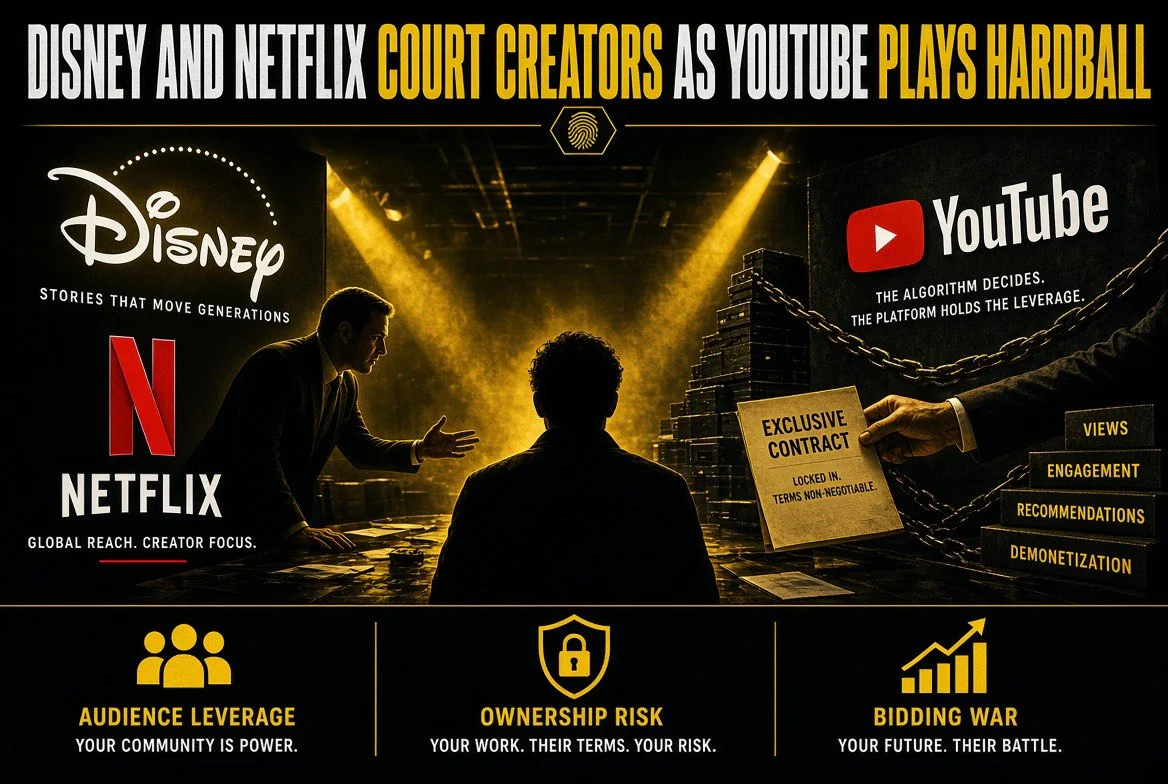
⚡ Expert Summary: Disney and Netflix are openly courting the creator class — the same people YouTube built its business on — while YouTube plays hardball to keep them, according to a 21 October 2026 report in the Hollywood Reporter. For a solo creator in the US, this is the first time in a decade that leverage has shifted in your direction. Streaming services bring budgets and production standards; YouTube brings distribution and the algorithm that made you. The practical question is no longer “how do I grow on YouTube” but “which platform actually pays me for the audience I already built” — and the answer depends on whether you own your footage, your archive, and your audience list.
For about fifteen years the deal between creators and platforms was simple and slightly humiliating. Creators made the content, YouTube supplied the audience, and the split was whatever YouTube decided it was. If you did not like it, you could leave — and discover that leaving meant starting from zero somewhere that had no audience at all.
That arrangement is now under pressure from an unexpected direction. Two of the largest entertainment companies in the world have decided that the creator economy is cheaper to rent than to compete with.
The Shift: Streaming Wants the Audience Creators Already Built
Traditional studios spent a decade learning an expensive lesson: subscribers do not arrive because a catalogue exists, they arrive because something specific is on it. Building that something in-house costs a fortune and fails often.
Creators arrive with the audience already attached. A channel with a million engaged subscribers is a distribution asset a streamer cannot manufacture, and the pitch writes itself — bring your show, bring your viewers, we will bring a budget and a production crew.
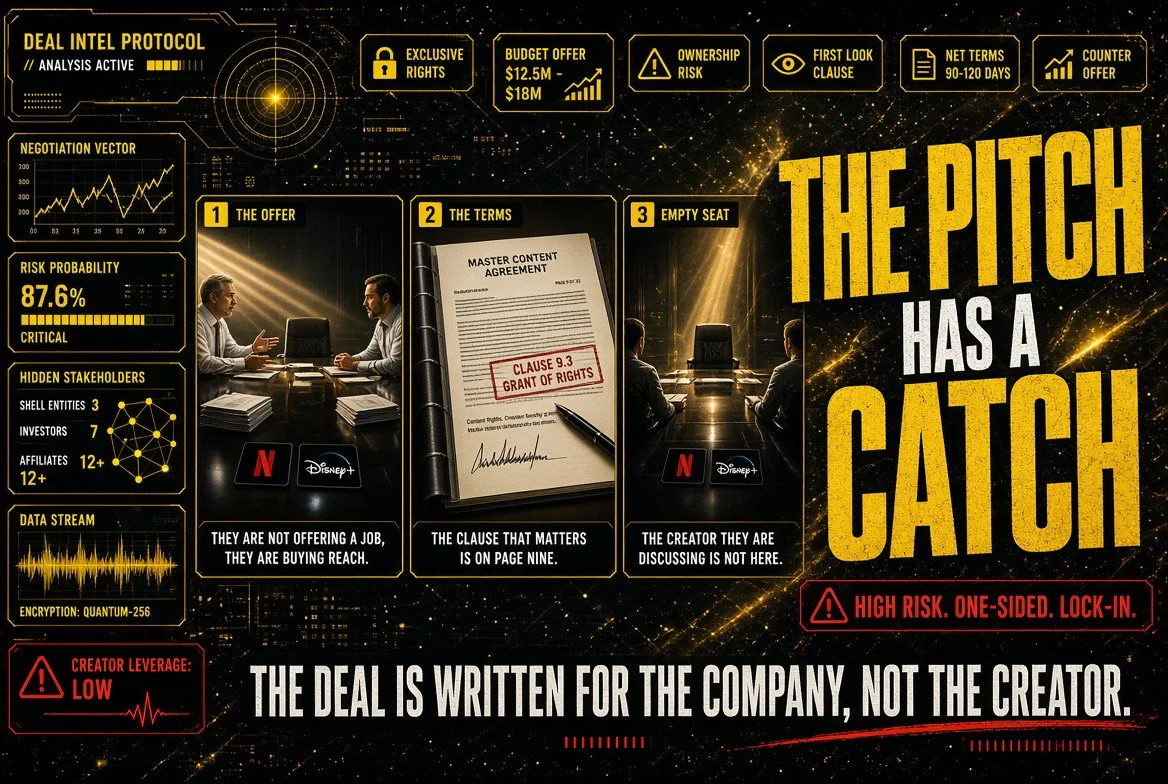
For the creator, the trade is real but not free. Streaming money buys better production. It also usually buys exclusivity, which means handing over the one thing that made you independent in the first place.
Why YouTube Is Playing Hardball
YouTube’s position is the least sympathetic and the most rational. It built the infrastructure, paid out billions in ad revenue, and now watches competitors try to harvest the creators that infrastructure produced. Any platform in that position hardens its terms.
What “hardball” looks like in practice tends to be structural rather than dramatic: exclusivity language in partner agreements, revenue terms that reward staying, and features that make leaving expensive because your archive, your comments, and your discovery history live inside their walls.
| What the Creator Gets | From YouTube | From a Streamer |
|---|---|---|
| Audience discovery | Algorithmic, unpaid, unpredictable | Editorial placement and marketing spend |
| Money | Ad share, predictable, capped by CPMs | Licensing fee or budget, negotiated, larger |
| Production support | None — you fund and shoot everything | Crews, facilities, post-production |
| Freedom | High, with total financial risk | Contracted, often exclusive, editorial input |
The Thing Nobody Warns You About: Ownership
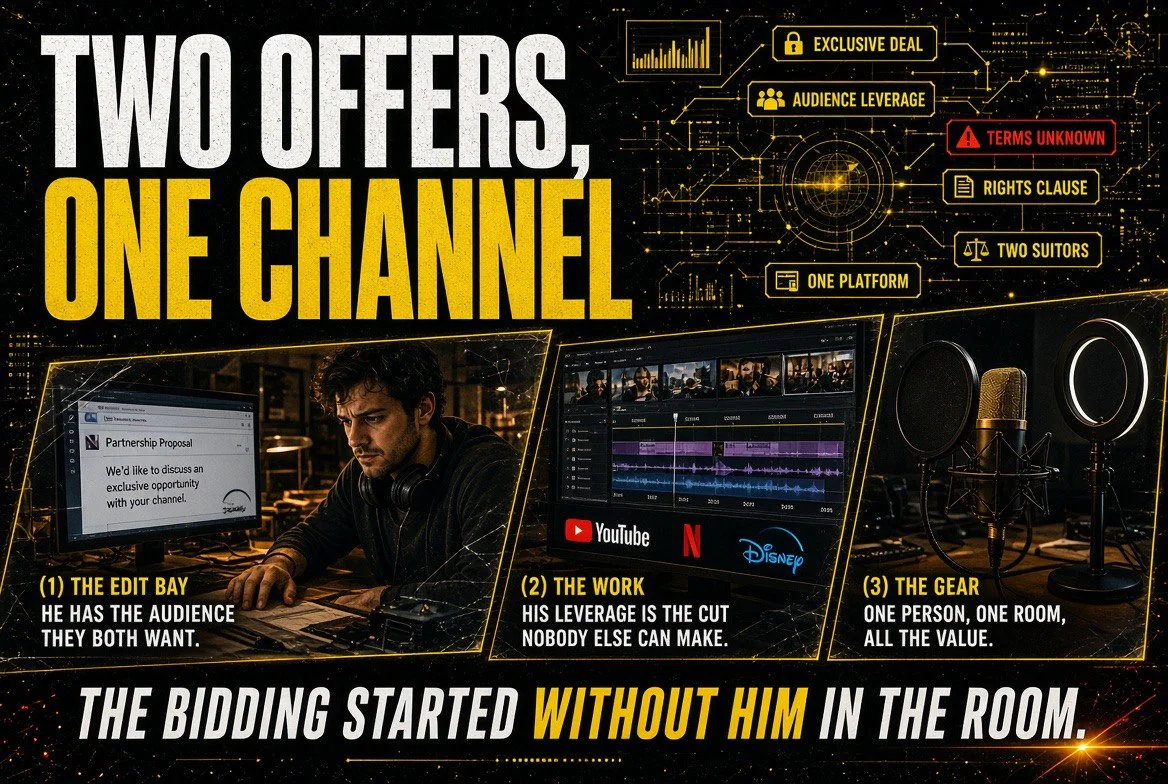
Every conversation about platform deals eventually arrives at the same question, and it arrives late — usually after the contract is signed.
Who owns the footage? Who owns the archive? If the deal ends, does the show end with it, or can you take the episodes back to your own channel and keep monetising them?
Creators who negotiate well protect the archive. Creators who negotiate fast give it away, then discover that a decade of work is now an asset on someone else’s balance sheet. The production budget was real; so was the thing they traded for it.
The AI Variable That Changes the Math on Both Sides
There is a third party in this negotiation that neither studio nor platform has fully priced in: the tools that let one person produce what used to require a crew.
A solo creator in 2026 can generate b-roll with Sora, cut it in CapCut, clone their own voice for narration, and publish an episode that would have cost five figures in 2019. That changes the value of a studio’s production offer, because the studio’s main selling point was access to production capacity.
It also changes the value of a creator’s channel, in the opposite direction. If anyone can make the video, the scarce asset is not production. It is the audience that trusts you enough to watch it.
| Asset | Worth in 2019 | Worth in 2026 |
|---|---|---|
| Production capability | Scarce, expensive, a real moat | Cheap and getting cheaper every quarter |
| Distribution | Controlled by platforms | Contested — streamers now compete for it |
| Audience trust | Useful, hard to measure | The scarcest asset in the stack |
| Your own archive | Nice to have | Non-negotiable — the only asset that travels with you |
What a Creator Should Actually Do With This Moment
The worst response to a bidding war is to take the first offer because it is the first offer. The second worst is to assume the platform you are on will keep treating you well out of loyalty.
1. Get your audience off-platform
An email list or a community you control is the only distribution that cannot be revoked by a terms-of-service update. Creators who have one negotiate from a position of strength. Creators who do not are negotiating with their entire business as collateral.
2. Audit your archive before anyone asks
Know exactly what you own, what you licensed, and what a platform holds. If your deal terms are unclear, find out now rather than at the moment you want to leave.
3. Price the exclusivity, not just the fee
An exclusive deal that pays well but prevents you publishing anywhere else for three years is a different offer than the headline number suggests. Value the lost optionality explicitly.
4. Use AI to raise output, not to lower standards
The point of tooling is to compete on volume and quality simultaneously. Generated b-roll is fine; generated personality is not, and audiences detect it faster than any detector.
5. Assume the leverage window closes
Platforms paying premiums for creators is a temporary condition caused by competition. When the competition resolves, the terms harden. Get your audience owned, your archive clean, and your deal signed while someone is still bidding.
The Uncomfortable Part: This Is a Fight Over the Same Small Group
Both sides are competing for a narrow band of creators who already have meaningful audiences. The vast middle — channels with ten thousand subscribers and a day job — is not being courted by anyone. They are being re-priced by algorithm changes and told it is about quality.
So the headline reads as good news for creators, and for a few hundred of them it genuinely is. For everyone else it is a reminder that platform leverage is not distributed evenly, and that the safest position is the one that does not depend on any single company’s goodwill.
What This Means for Solo Creators in the US
American creators have a structural advantage here that is easy to overlook: the largest advertising market in the world sits behind the platforms doing the bidding. That makes US-based channels more valuable per viewer than almost anywhere else, which is precisely why the offers are getting bigger.
It also means the tax and contractual complexity arrives early. A licensing deal with a studio is a business event, not a paycheque, and the creators who treat it that way keep more of it.
The Real Story: Distribution Is No Longer a Monopoly
For a decade, YouTube’s power came from a simple fact — there was no second place worth being in. That has changed, not because a competitor built a better platform, but because the biggest entertainment companies decided they needed creators more than creators needed a second platform.
The window will not stay open forever. It is open now, which is the first time anyone under forty has been able to say that about this industry. Own your archive, own your audience, and let them bid.
The Deal Structures You Will Actually Be Offered
Creator deals with streamers tend to arrive in one of a few shapes, and the shape matters more than the number attached to it.
A licensing deal buys the right to stream your existing catalogue for a fixed period. You keep the channel and the audience; they get the library. This is the least invasive version and the most common entry point, because it requires no production commitment from either side.
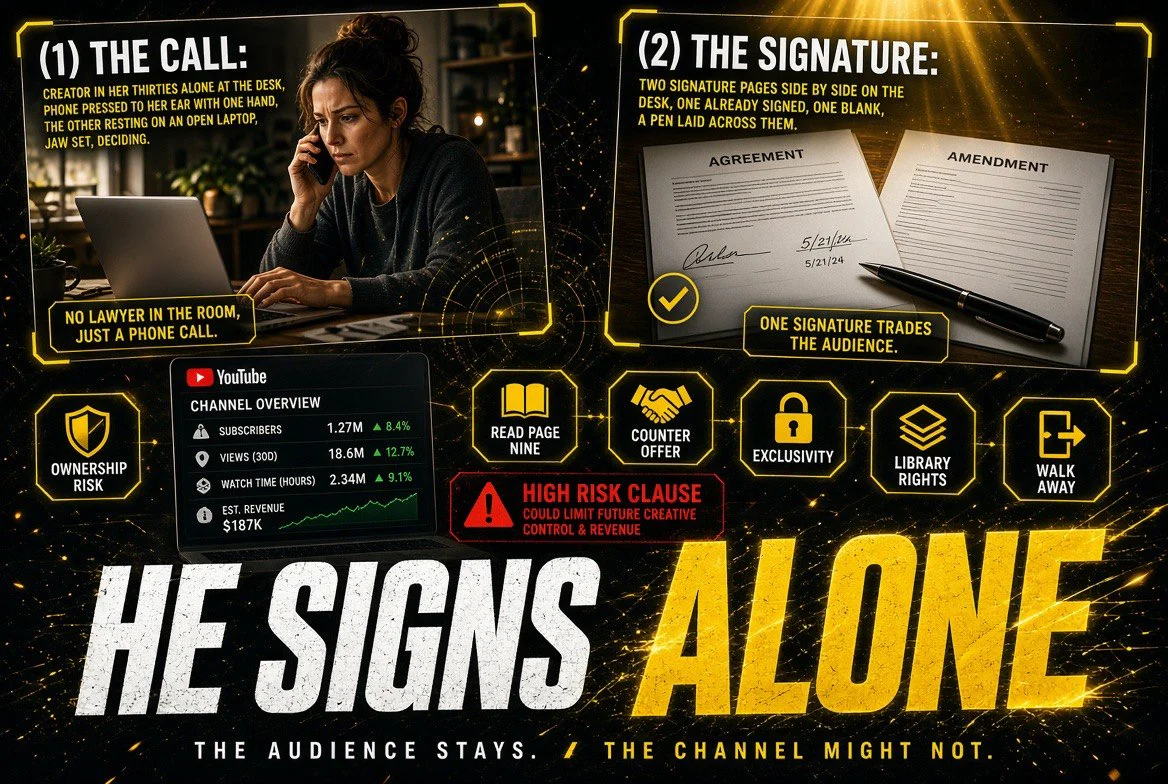
A first-look deal pays for the right to see your next project before anyone else does. For the creator it is essentially a retainer for optionality. It feels like validation and functions like a soft exclusivity clause, because you cannot shop a project you have already promised to show someone first.
A production deal funds new shows with a budget and a crew. This is the version creators get excited about, and it is also the version where the archive question becomes urgent, because the footage generated under a production deal is rarely yours by default.
Each of these is a different business. A creator who evaluates all three as “a deal” will accept the structure that sounds most impressive rather than the one that compounds.
The Hidden Cost of a Bigger Budget
Money from a studio is not the same as money from ads, and the difference is not just the number of zeroes. Ad revenue arrives monthly, requires no approval, and scales with the audience you already have. Studio money arrives in tranches, comes with a deliverable, and often comes with someone who has an opinion about your show.
That opinion is not automatically bad. Notes exist because studios have watched more shows fail than any individual creator ever will. But notes also change what the show is, and a show that has been optimised toward a committee’s taste is a different product from the one your audience subscribed to.
The creators who handle this well protect one thing above all: final editorial control over the format that built their audience. They will take the budget and the crew. They will negotiate on schedule and marketing. They will not hand over the reason anyone watches.
Why This Is a Creator Story and Also a Video Story
This story is usually reported as a business story about platform economics, and it is that. But there is a production angle that matters more to anyone actually making video.
The reason a studio can afford to compete for creators at all is that producing a show is still expensive at their scale. The reason a creator can now credibly refuse is that producing a show has gotten dramatically cheaper at theirs. Generated b-roll, AI-assisted editing in tools like CapCut, and model-based voice work have collapsed the cost of the visual layer that used to justify a five-figure budget.
That is the real reason the leverage shifted. It is not generosity from Disney or Netflix. It is that the thing creators were being underpaid for — their distribution — became more valuable at exactly the moment the thing they lacked — production — became less expensive.
Frequently Asked Questions
Why are Disney and Netflix courting YouTube creators?
Because creators arrive with an audience already attached. Building a subscriber base in-house is expensive and often fails, while licensing a proven channel brings viewers and content at the same time.
What does YouTube do to keep creators from leaving?
Typically exclusivity terms in partner agreements, revenue structures that reward staying, and the fact that a channel’s archive, comments, and discovery history live inside YouTube’s platform.
Should a creator take a streaming deal?
Only after pricing the exclusivity, not just the fee. A deal that pays well but locks you out of other platforms for years costs more than the headline number suggests.
Who owns a creator’s back catalogue in a platform deal?
Whoever negotiated it. Some deals leave the archive with the creator; others transfer it. This is the single most important clause to check before signing.
How does AI video generation change creator leverage?
It lowers the value of production capability, which was the main thing a studio offered. That makes audience trust and a clean, portable archive more valuable than ever.
What is the safest position for a solo creator right now?
Owning an audience you can reach directly, holding a clean archive, and signing deals while more than one buyer is interested. Platform goodwill is not a business asset you can rely on.
About Barak Schurr
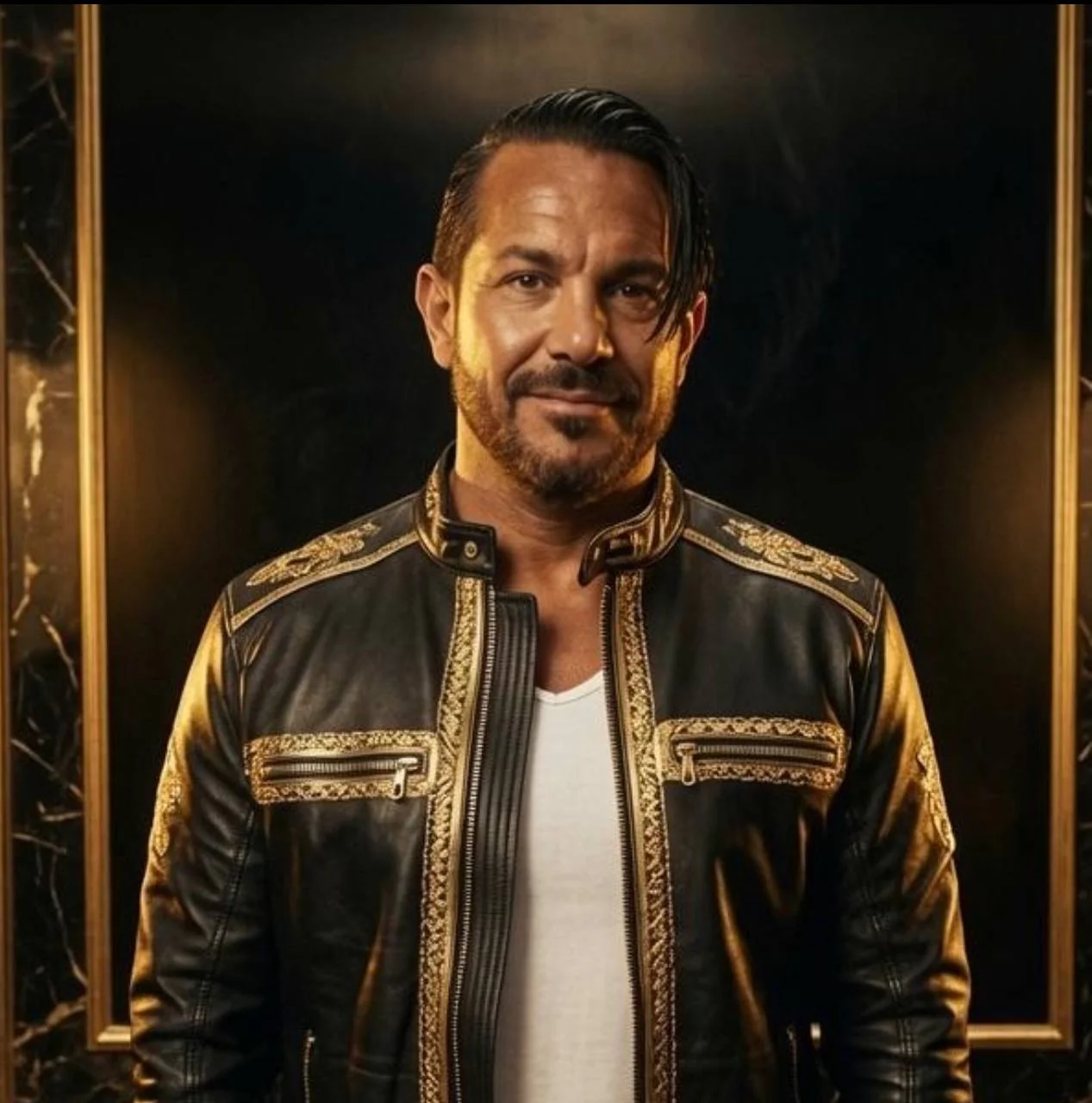
Barak Schurr is a serial entrepreneur who built and exited a major ticketing platform before turning his attention to AI and content. He runs three AI-focused research sites and writes about the tools, workflows, and strategies that let solo creators build real channels — without a crew, a studio, or a Hollywood budget.
Email: [email protected]
More AI Video Resources